Home
    
Actor Dan Stevens reveals the real reason he left Downton Abbey🔥
2024/09/01 Report

ADVERTISEMENT

Dan Stevens’ Bold Career Move: From Downton Abbey to Horror Kingpin!

When Dan Stevens announced his departure from the wildly popular Downton Abbey in 2012, fans were left reeling. Why would anyone leave such a beloved series, especially after portraying one of its most adored characters, Matthew Crawley? As it turns out, Stevens had his sights set on something bigger—escaping the confines of typecasting and exploring a more diverse array of roles.


ADVERTISEMENT
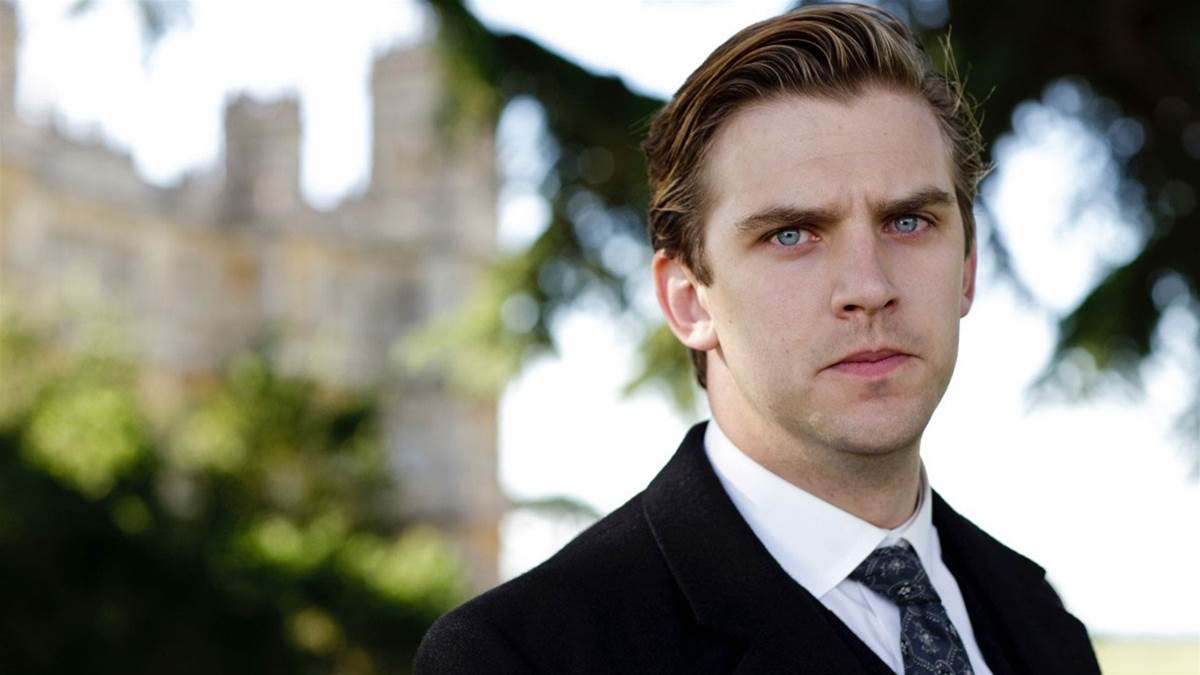

Now, over a decade later, it’s clear that his decision has paid off in spades.

The Shocking Exit That Left Fans Devastated

Stevens’ decision to leave Downton Abbey wasn’t taken lightly.

The article is not finished. Click on the next page to continue.

ADVERTISEMENT

The article is not finished. Click on the next page to continue.

Next page
Downton Abbey’s First Heartbreaking Collapse: Did Jessica Secretly Plan Her “Exit Strategy” All Along?
2025/05/14
After Years as Lady Mary, Michelle Dockery Finally Says Goodbye to Downton Abbey 😭💔
2025/12/16
He Planned to Leave Too: Sybil & Matthew’s Twin Exits — How the Writers Protected the Brand Amid Fan Outrage
2025/11/07
Why Matthew Goode Really Missed the Downton Abbey Finale: Scheduling OR Something More?
2025/11/07
DAN STEVENS' DOWNTON ABBEY DEPARTURE: What The Cast And Crew Aren’t Telling You🔒
2025/11/03
Shocking Goodbye: Elizabeth McGovern Talks Leaving Downton Abbey and Taking on Ava Gardner’s Unforgettable Role 😱🎬
2025/09/09
The UNTOLD Truth: Why Dan Stevens REALLY Left Downton Abbey (It's Not What You Think!)
2025/06/11
“I Had to Get Out”: Dan Stevens Finally Tells the Truth About Leaving Downton Abbey
2025/06/02
The Exit That Changed Everything: How Dan Stevens’ Departure Redefined His Career
2025/06/02
She Said No. Jessica Brown Findlay's Bold Refusal That Changed Downton’s Future Forever
2025/05/14
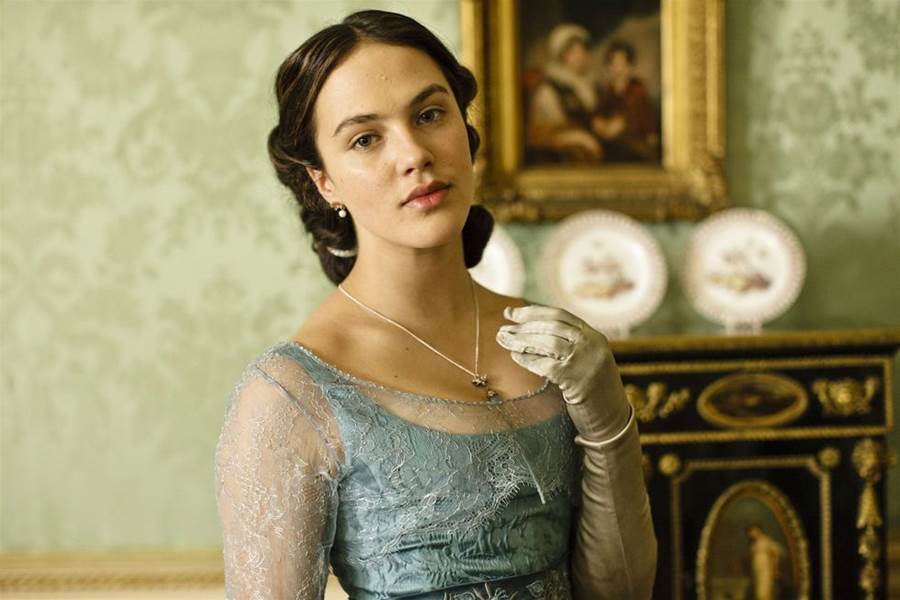
Behind the Scenes: How Dan Stevens' Departure Reshaped 'Downton Abbey's' Future
2025/04/08
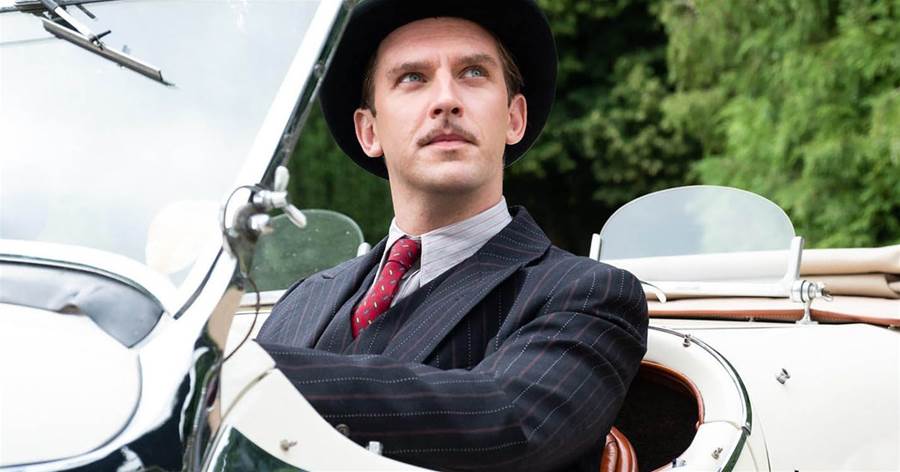
From Matthew Crawley to Hollywood: Dan Stevens' Transition to Diverse Roles | Downton Abbey
2025/04/08
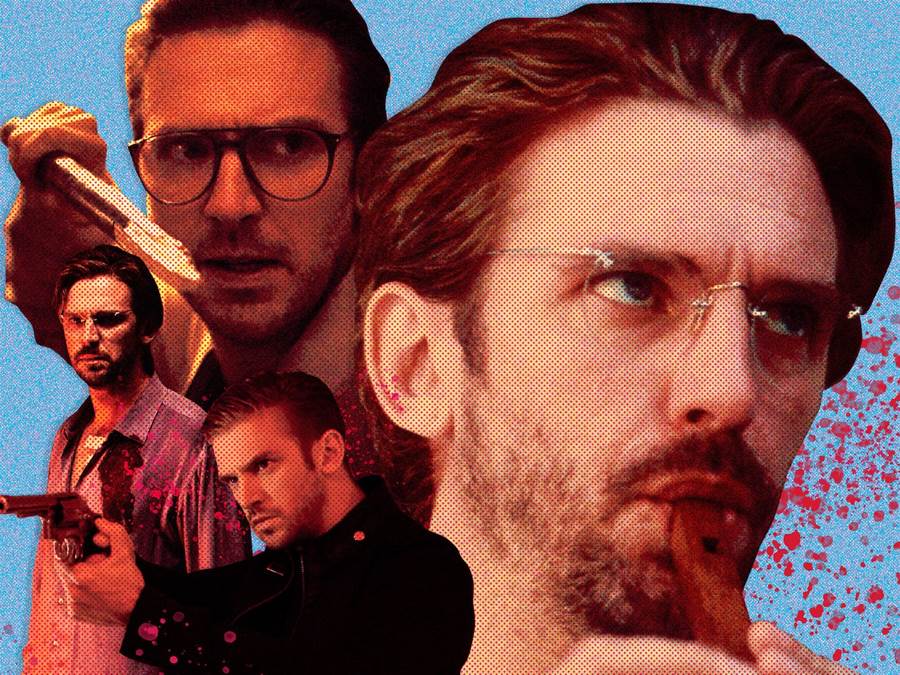
The Legacy of Matthew Crawley: Fans' Enduring Attachment and Ongoing Speculations
2025/04/08
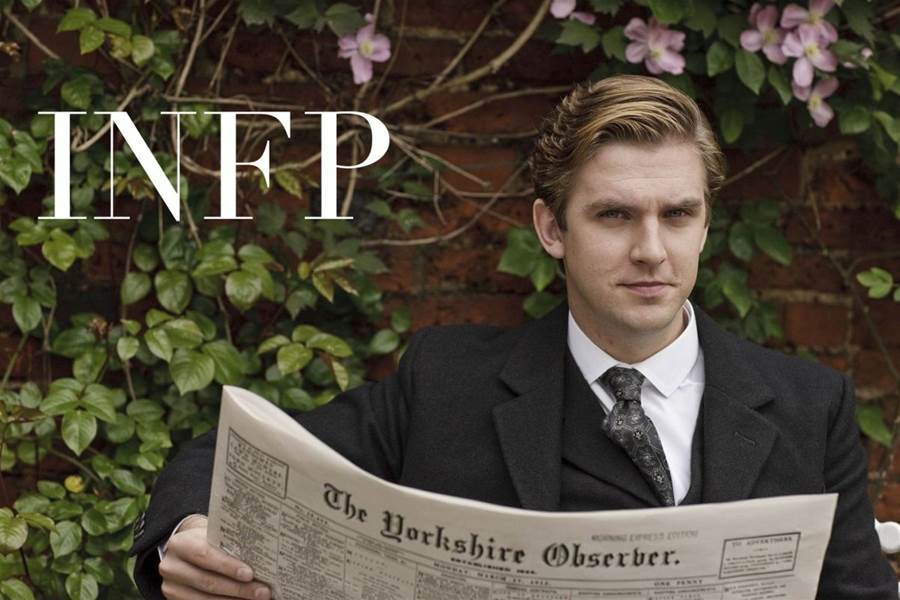
Did Dan Stevens Have a Falling Out with Downton Abbey Producers?
2025/04/08
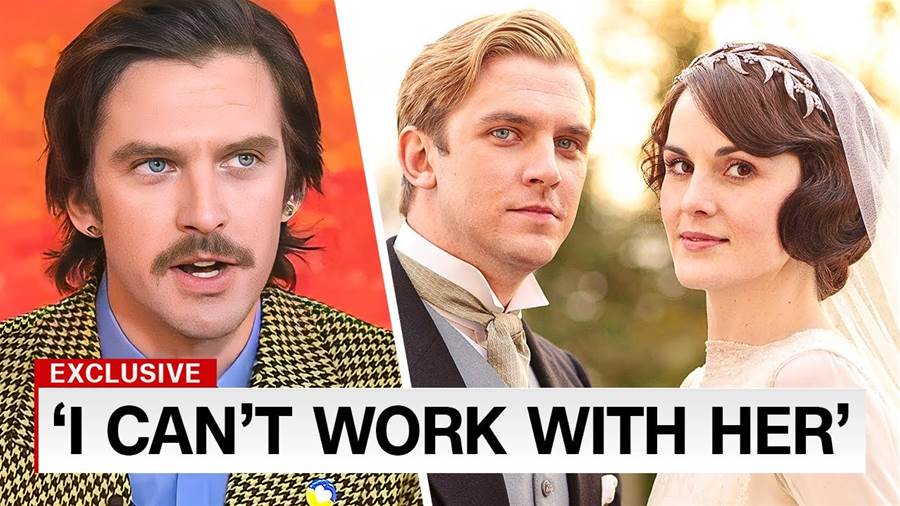
Dan Stevens Reflects On His Downton Abbey Exit 12 Years Later: "Terror & Discomfort"
2024/12/26

They Met at the Wrong Time: The Quiet Truth Behind Sam Heughan & Caitríona Balfe’s Unfinished Story
2026/01/07
On Christmas Eve, 1914, in the freezing, mud-soaked trenches of the Western Front, something almost unimaginable happened. Soldiers from opposing sides—mostly British and German—climbed out of their trenches, walked into No Man’s Land, and met not as enemies, but as men. They exchanged food and small gifts, sang Christmas carols together, shook hands, and even played friendly games of soccer. For a brief moment, the guns fell silent. This spontaneous ceasefire, later known as the Christmas Truce, did not end the war—but it revealed something extraordinary: a shared humanity that surfaced, even in the middle of the Great War’s brutal violence.
2026/01/07
She was FIRED for making a typing mistake. That “mistake” made her $47.5 MILLION. What really happened to Bette Nesmith Graham… What if I told you that a divorced, broke secretary in 1950s Texas—earning just $300 a month—was fired from her job for typing the wrong company name? What if I told you that the very mistake that cost her everything would later make her one of the wealthiest self-made women in America? Dallas, Texas. 1954. Bette Nesmith sat at her desk at Texas Bank & Trust, fighting back tears. Again. She was a single mother raising her young son alone. A high school dropout. Living paycheck to paycheck. She couldn’t afford to lose this job—but there was one problem she couldn’t hide anymore. Her typing was terrible. The bank had just introduced brand-new IBM electric typewriters, and they made everything worse. One wrong keystroke meant retyping an entire page. Sometimes several. There was no clean way to erase mistakes. One error could destroy hours of work. And every error felt like another step closer to being fired. Then one December afternoon, something small—but strange—caught her attention. Outside the bank, artists were painting holiday decorations on the windows. When they made mistakes, they didn’t panic. They didn’t start over. They simply painted over the error and kept going. A question hit her like lightning: Why can’t I do that with typing? That night, standing alone in her tiny kitchen, Bette mixed water-based paint in her blender. She tinted it to match the bank’s stationery, poured it into a nail polish bottle, and grabbed a tiny brush. The next morning, she brought it to work in secret. The first time she painted over a typo, her hands shook. If it failed—if anyone noticed—she knew she’d be fired. But it dried perfectly. Invisible. Undetectable. Her boss never noticed. But the other secretaries did. Soon, she was mixing bottles at night, selling them quietly, hiding them in desk drawers. She called it “Mistake Out.” What started as desperation was turning into something else—something dangerous. Then one day, exhausted and distracted, she made the worst mistake of all. While typing a routine letter for the bank, she signed it with the wrong name. Not the bank’s name. Her company’s name. She was fired immediately. What happened next is where everything changes. Continued in the first comment below 👇👇
2026/01/07
If They Were “Just Co-Stars,” Why Did Their Chemistry Outlast Every Real Hollywood Couple?
2026/01/07
The Beatles called him their FAVORITE American artist. He had one of the GREATEST voices on Earth. He died BROKE, his voice destroyed, and almost forgotten. What really happened to Harry Nilsson… What if I told you that one of the most gifted singers of the 20th century—a man praised by John Lennon and Ringo Starr—never toured, rarely performed, and actively avoided fame? What if I told you that you’ve heard his voice hundreds of times in movies, TV shows, and on the radio… but you probably couldn’t name him? Harry Nilsson had everything it takes to become a legend: a three-and-a-half-octave range, flawless harmonies, hit songs, Grammys, and the public blessing of The Beatles themselves. John Lennon once answered a press question without hesitation: “Nilsson.” Paul McCartney gave the same answer. And yet, almost nobody had ever seen him perform live. Born in Brooklyn and raised in instability, Nilsson taught himself music with no formal training. By day, he worked ordinary jobs just to survive. By night, he wrote songs that would quietly change popular music forever. He hated the spotlight. He feared the stage. He chose the isolation of the studio while others chased arenas and applause. Then came success. Fame. Chaos. Partying with John Lennon during the infamous “Lost Weekend,” Nilsson pushed himself past every limit. One night, screaming over blaring music in a studio session, he ruptured a vocal cord. Doctors warned him to stop. He didn’t. That decision would permanently damage the voice that made him special. Years later, after retreating from music, disaster struck again. His trusted assistant stole everything—his savings, his royalties, his security. By the early 1990s, the man once called “the greatest voice on Earth” was broke and quietly planning a comeback that would never happen. On January 15, 1994, Harry Nilsson died in his sleep at just 52 years old. He never toured. He rarely performed. He stayed in the shadows. But his voice went everywhere. Continued in the first comment below 👇👇
2026/01/07