Cast Then & Now: The 50+ Actors Who Aged on Screen With Us — But Never Missed a Sunday Dinner 🍽️👵👴
2025/12/03
Report
ADVERTISEMENT
On Blue Bloods, the most emotional character was never on the call sheet. It wasn’t the cop with the biggest gun or the politician with the sharpest speech — it was time. For 14 seasons, fans watched the Reagans gather around the same Sunday dinner table while the actors — and the audience — quietly moved from middle age to gray hair, from “young parent” to “grandparent.
ADVERTISEMENT
In an era obsessed with youth, Blue Bloods did something quietly radical: it let 50-plus actors age in real time, and it made their wrinkles, aching backs, and second chances part of the story instead of something to hide.
The article is not finished. Click on the next page to continue.
ADVERTISEMENT
The article is not finished. Click on the next page to continue.
Next page
Frank Reagan's Most Famous Speech Was Written the Night Before Filming. Tom Selleck Read It at 11 PM and Called the Writer Immediately
2026/07/10
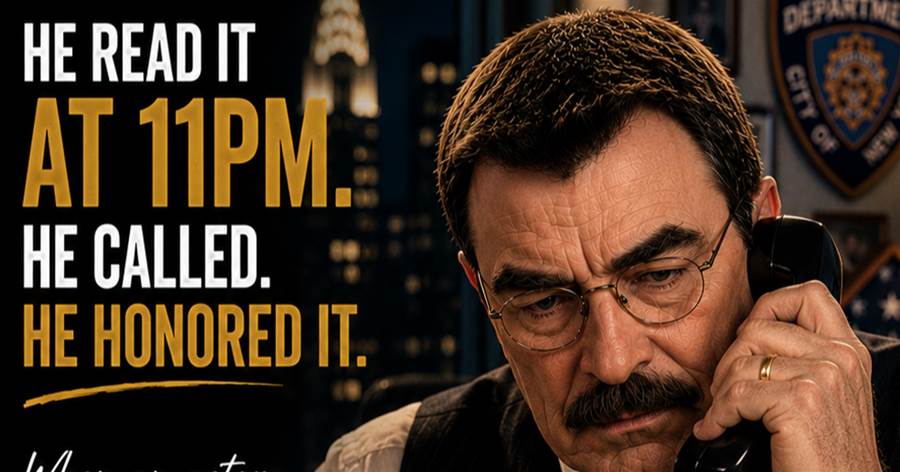
At 80, Tom Selleck isn’t fading out 👀 the real question is what kind of show is bold enough to use him next
2026/04/13

Fans Asked for YEARS💍 Will Estes Finally Reveals Where His Real-Life Family Plans Stand Now
2025/12/04

Did You Catch It? 🤫 The Secret ‘Signal’ Between Marisa Ramirez & Donnie Wahlberg That Fans Think Rekindled Something!
2025/12/04

Blue Bloods Money Secrets Exposed: Tom Selleck, Donnie Wahlberg and the Unexpected Millionaire Hiding in the Main Cast 💰
2025/12/04
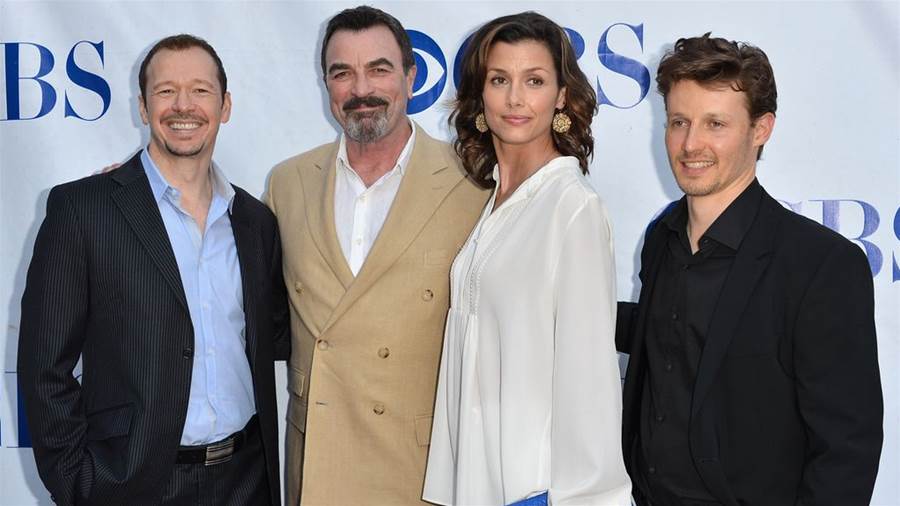
On-Screen Cops, Off-Screen Couples: The Surprising Partners Standing Behind Your Favorite Reagan Family Members 💑
2025/12/04

On-Screen She Serves the Commissioner, Off-Screen She Married a Real-Life Hero: Meet Abigail Hawk’s NYC Firefighter Husband 💍
2025/12/04

From Red Carpets to School Runs: How Single Mom Marisa Ramirez Protects Her Daughter—and Her Mystery Dad—at All Costs
2025/12/03

Before You Bash Eddie Again, Read What Vanessa Ray Endures With Bipolar Disorder in Real Life 💔
2025/12/03

Like Saying Goodbye to Family — Then Back on Set: Bridget Moynahan’s Boston Blue Return Feels Like Emotional Whiplash for Fans
2025/12/03
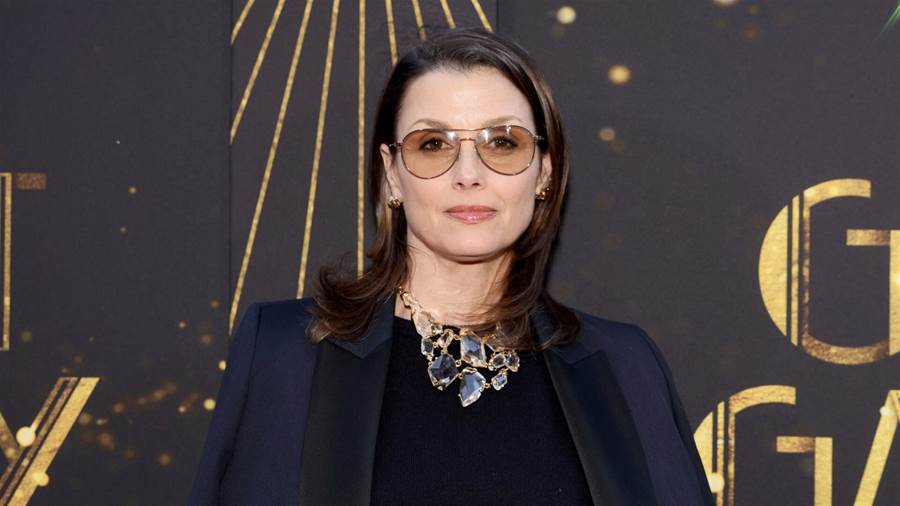
Beyond the Badge: Bridget Moynahan, Abigail Hawk & Marisa Ramirez Open a Brand-New Chapter ✨
2025/12/03

Blue Bloods Family Just Got Bigger (In Real Life!): Vanessa Ray & Landon Beard Welcome Baby Boy 🎉💙
2025/12/03

“I’m Not Leaving the Ranch”: Tom Selleck’s Beloved Property Became the Silent Reason He Kept Filming Blue Bloods & Doing Those Ads 🏡
2025/12/03

From Sunday Dinners to Quiet Lives: Tom Selleck & the Old Blue Bloods Crew Reveal Their Real-Life Choices After the Spinoff
2025/12/03
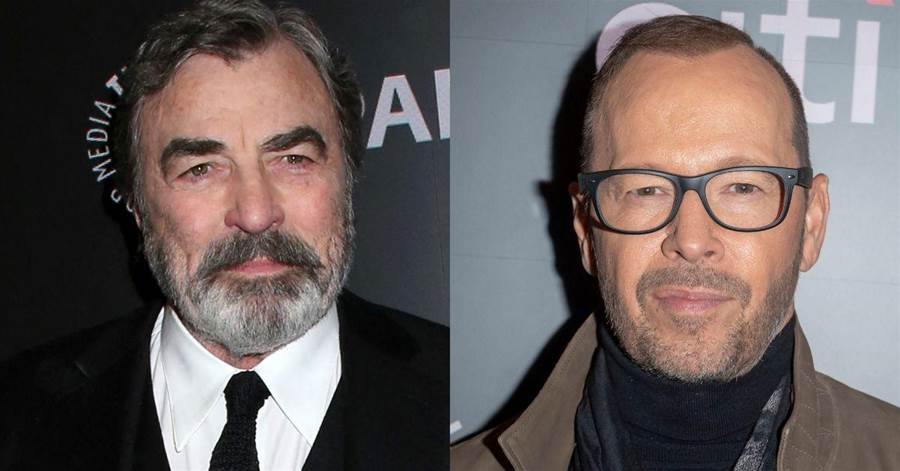
Len Cariou's Surprising Retirement Plans: You Won’t Believe How Old Blue Bloods' Len Cariou Really Is!
2025/12/03

TV Detective by Day, Rock Star by Night: Donnie Wahlberg’s Secret Triple Threat Revealed! 🔥
2025/12/03

From Season 1 Badges to Final Bows: Blue Bloods Cast Then & Now – 14 Years of Aging Gracefully (and Not So Quietly)
2025/12/03

“He Just Wants to Be a Cowboy”: What Tom Selleck Gave Up in Hollywood to Protect His Ranch & Family Life ❤️🌾
2025/12/03

Richest Blue Bloods Star Revealed: You Won’t Believe Who Beats Tom Selleck in Net Worth! 💰
2025/12/03

Blue Bloods Star Vanessa Ray Welcomes Baby Boy with Husband Landon Beard: 'Quite a Whirlwind' (Exclusive)😉
2025/03/12