Actors Finally Say It Out Loud: “We Were Speaking for the Marginalized” 🌈💖
2025/12/15
Report
ADVERTISEMENT
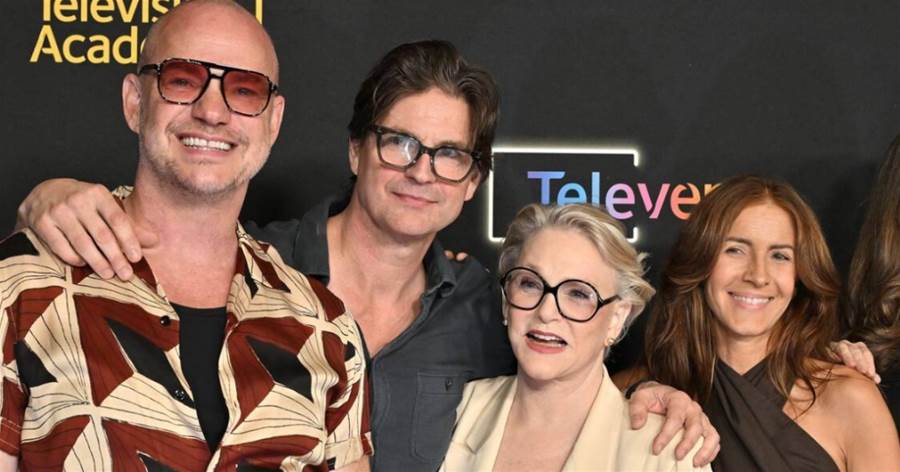
Imagine turning on TV in 2000 and seeing something that felt too real to be allowed: gay characters who weren’t the sidekick, the joke, or the “very special episode”—but the center of the story, messy and magnetic, living loudly on purpose. Now jump to 2025, when a new Queer as Folk oral history published by the Television Academy drops one line that instantly unlocks the whole phenomenon: “Part of what we were doing was giving voice to a piece of American society that was still pretty marginalized.
ADVERTISEMENT
That’s not just nostalgia talking. That’s a mission statement—one that explains why fans still call QAF “legendary,” why it sparked backlash, and why its emotional aftershocks never really stopped.

The article is not finished. Click on the next page to continue.
ADVERTISEMENT
The article is not finished. Click on the next page to continue.
Next page
The Role of Consent and Power Dynamics in Queer as Folk: Analyzing Brian and Justin
2026/01/04
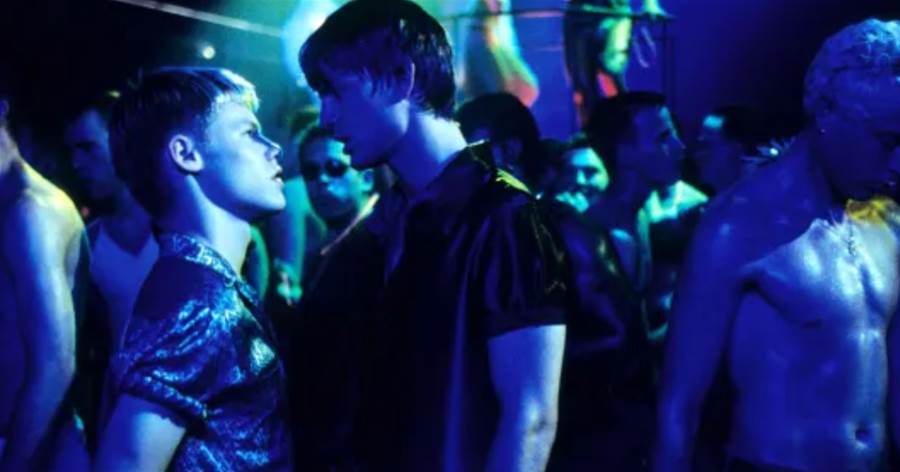
Gale Harold & Randy Harrison: The Chemistry That Never Clocked Out After Queer as Folk
2025/12/30
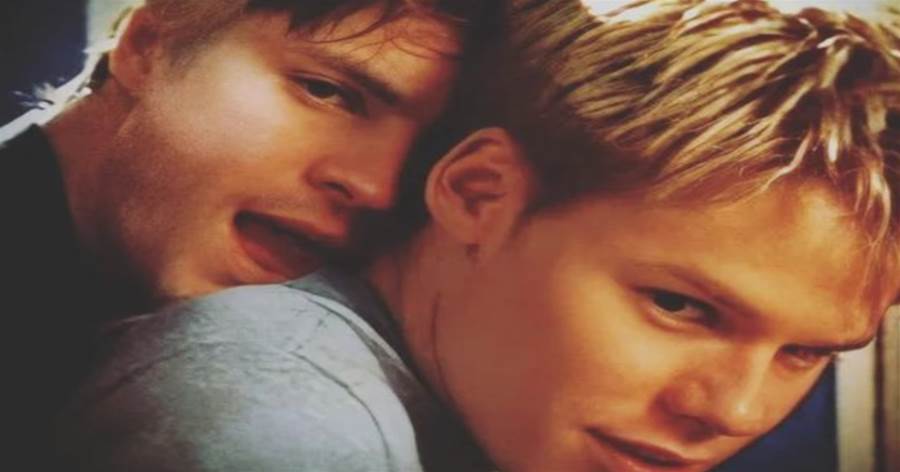
People noticed the pauses. The way consent was checked twice. The way distance disappeared the moment cameras rolled. Nothing was said—quietly, carefully—but something didn’t add up. If this was “just acting,” why did the rules feel personal?
2025/12/30
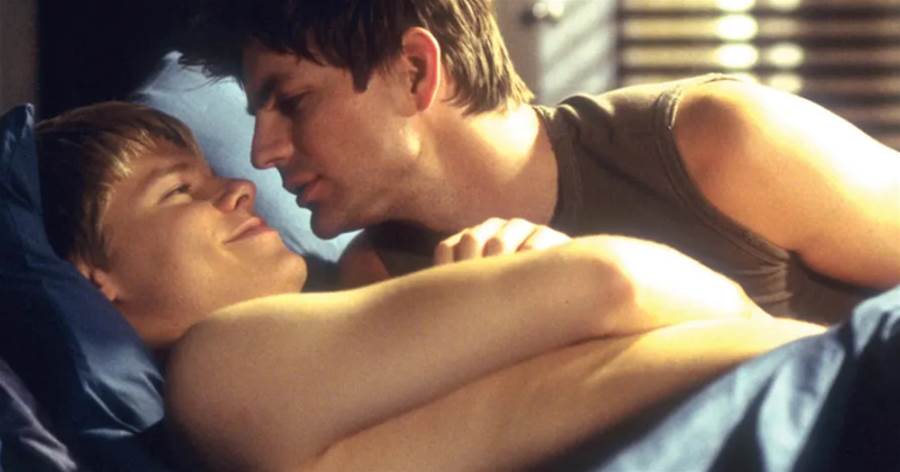
In an Industry of Oversharing, Gale Harold & Randy Harrison Did the Opposite — And It Became Their Loudest Statement 🌈
2025/12/15

They Changed Television Together… Then Something Shifted Inside Hal, Gale & Randy 💔
2025/12/15

You Can’t Fake This: Gale Harold & Randy Harrison’s Chemistry Wasn’t Just “Good Acting” ✨
2025/12/15

Hal Sparks Finally Explains Why This Role Wasn’t a Choice — It Was a Statement 💥
2025/12/15

Gale Harold’s Name Is Trending Again… But This Time, Fans Are Worried, Not Curious 😔
2025/12/15

Sharon Gless Off Camera: The Quiet Kindness That Made Fans Call Her a ‘TV Mom for Life’ 💖
2025/12/15

“Someone’s Life Was Different Because of Me” — Actors on the First Fan Letter They Ever Received 🌈❤️
2025/12/15
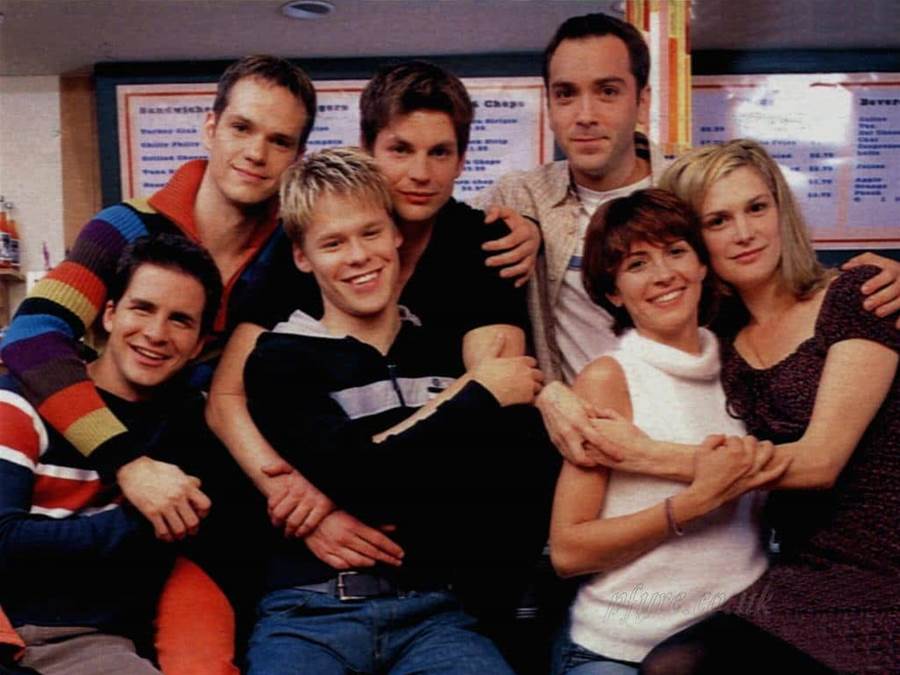
“I Was Terrified” — Gale Harold Finally Reveals How That First Queer As Folk Scene Was Really Shot
2025/12/15
During the Reunion, He Finally Said It… and His Parents Broke Down in Tears — The Truth Behind the Actor’s Real Family Pain 💔
2025/12/15
QAF Mystery Solved: Missing QAF Actor Found Living a Life No One Predicted 😮
2025/12/15
‘What Happened to Gale?’ The Controversial Photos That Sent Queer As Folk Fans Into Chaos!
2025/12/15
“Heated Rivalry” Explained: Complete LGBTQ+ Character Guide for New Fans 🌈🔥
2025/12/14

“That Scene Broke Me”: Actors Reveal the Roles That Haunted Them Long After Filming Ended
2025/12/14

“We Were Brave… But We Were Scared”: Queer As Folk Actors Finally Open Up About the Pressure Behind Those Bold Scenes
2025/12/14

Peter Paige Stuns Fans: ‘I’m Not Done Telling Queer As Folk Stories’ — A Reunion Full of Surprises 🌈🔥
2025/12/14
‘She Saved Us Then, She Saves Us Now’: Sharon Gless’ Message Leaves QAF Fans In Tears 😭✨
2025/12/14
They Couldn’t Hold Back Tears: What the ‘Queer As Folk’ Cast Confessed in Their Emotional 25-Year Reunion 🌈😭
2025/12/14

