A Ghost Battlefield Hidden in the Aleutians — Frozen Relics Lie Exactly Where They Were Left in 1943
2025/12/03
Report
ADVERTISEMENT
A Forgotten Outpost — War’s Sudden Imprint
In June 1942, a small Japanese force quietly landed on Kiska, overwhelming the solitary weather-station crew stationed there. They quickly fortified the island, carving tunnels, building bunkers, and stationing anti-aircraft guns, turning the remote isle into a strategic outpost.
ADVERTISEMENT
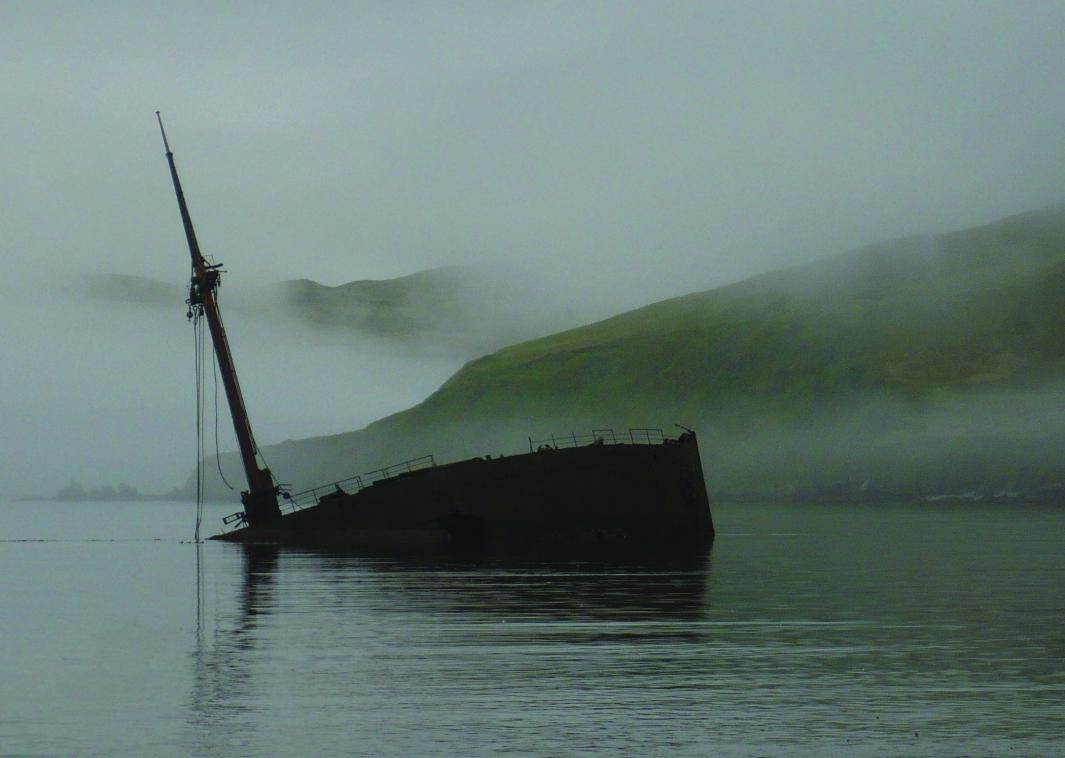
For over a year, Kiska lay under occupation — harsh climate, isolation, fog, and metal whispering echoes across abandoned barracks and gun platforms. But by late July 1943, under cover of dense fog and mounting Allied pressure, the occupying forces abandoned the island overnight, leaving behind everything: weapons, supplies, stamped-out cigarettes, boots, cookware — as if the soldiers expected to return shortly.
The article is not finished. Click on the next page to continue.
ADVERTISEMENT
The article is not finished. Click on the next page to continue.
Next page
Deep-Sea Recovery Resurrects Lost WWII Airmen — Dog Tags, DNA and Decades-Lost Names
2025/12/03
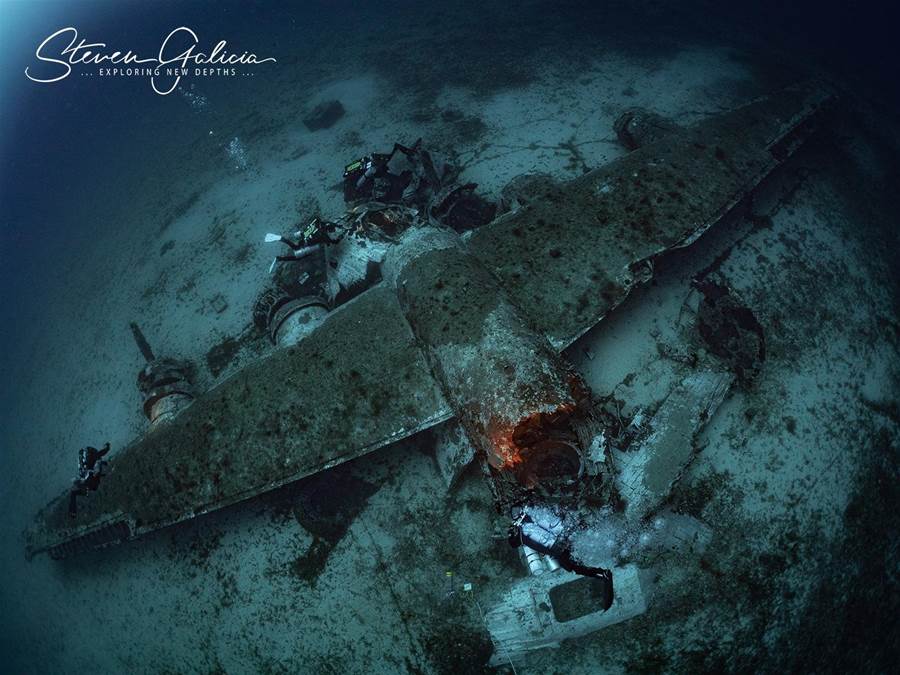
Deep-Sea Rescue Mission Recovers WWII Bomber Crew — History’s Missing Names Finally Given Back
2025/12/03
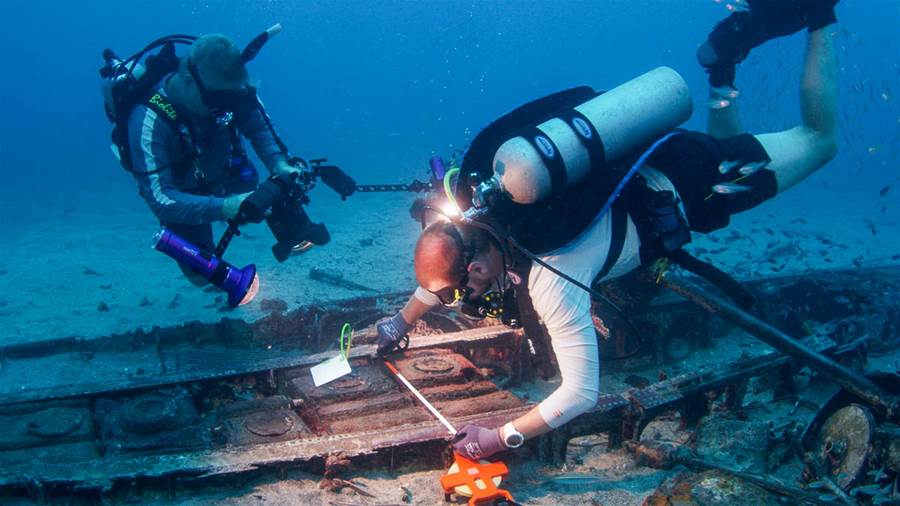
After Eight Decades, WWII Soldier Harold Schafer Finally Comes Home — Family Welcomes Him Back at the Dinner Table.
2025/12/03

From Unknown Grave to Honored Soldier: The Remarkable Identification of WWII Private Harland Hennessey.
2025/12/03

Lost in War, Remembered for Eight Decades — The Unforgettable Return of Alfred Langevin.
2025/12/03

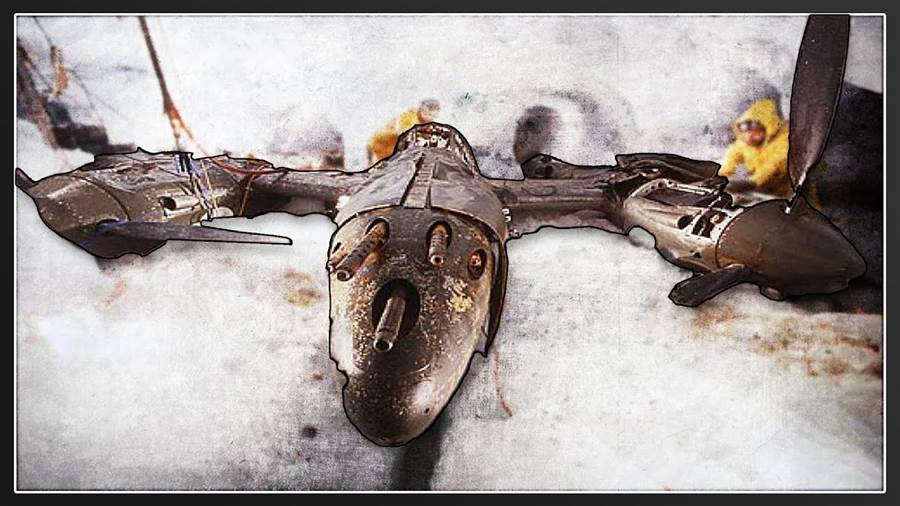
Radar Found Something Under the Ice — What They Dug Up Was a WWII Fighter Squadron.
2025/12/03
Abandoned Medical Bunker With 500 Beds Found Hidden in German Forest — The Operating Room Is Still Intact.
2025/12/03
Inside the Frozen WWII Time Capsule: The Bunker Route on the Dutch Coast Will Give You Chills — Literally.
2025/12/03

Hidden beneath Polish Farmland: The Underground Fortress Complex That Lives to This Day
2025/12/03
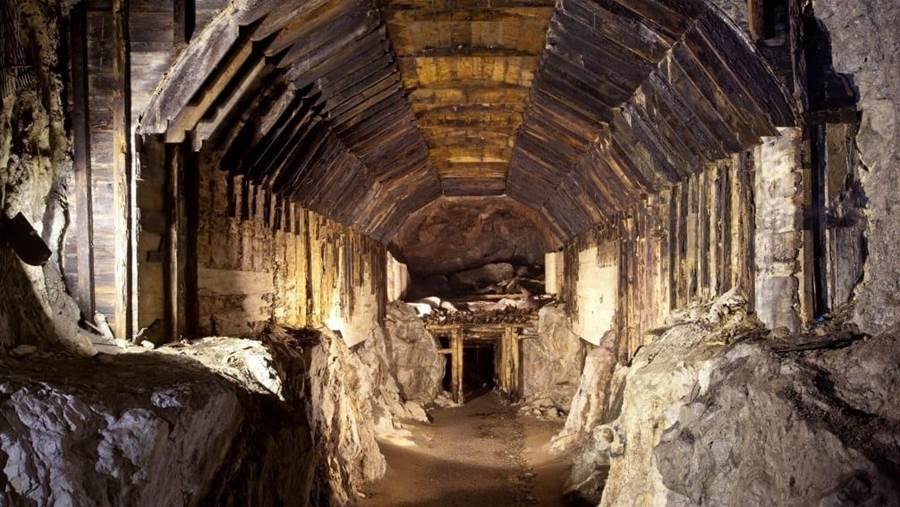
This Family Thought It Was a Storage Room — Then They Found a Hidden Bunker Under Their House
2025/12/03

Tourists Visit Waikiki… But Real Explorers Hunt the Secret Wartime Bunkers Buried in Oahu’s Jungle
2025/12/03
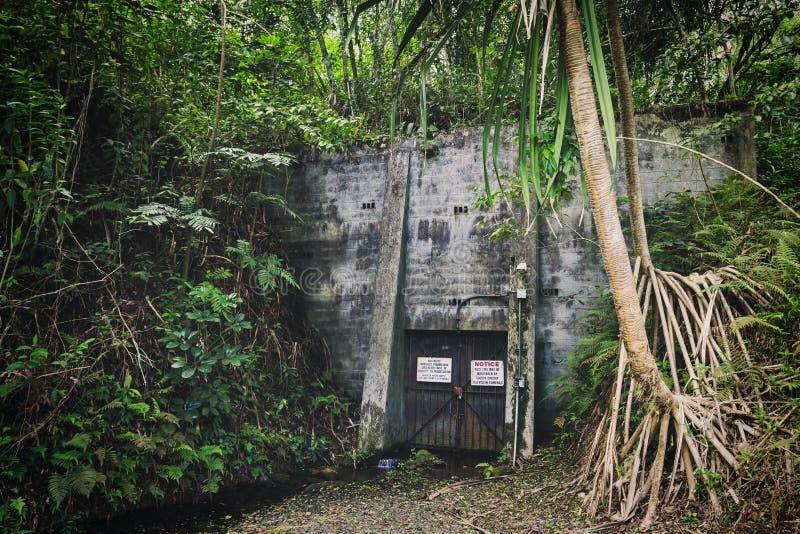
Fishermen Below, Abandoned Bunkers Above — Dutch Harbor’s Hidden War Ruins Exposed
2025/12/03
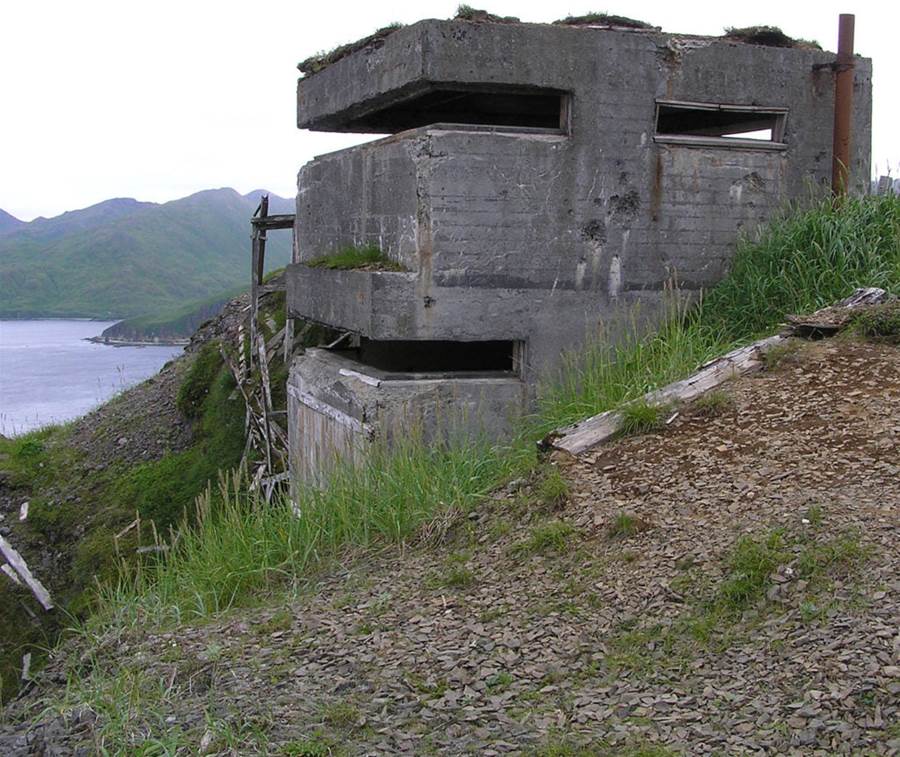
This 21 km² Island Was Once a War Hell — Today Ghost Guns and Shipwrecks Lie Silent Under Sun
2025/12/03

No Tourists. No Graffiti. No Noise — Just a WWII Fortress Frozen in Time on a Silent Island
2025/12/03
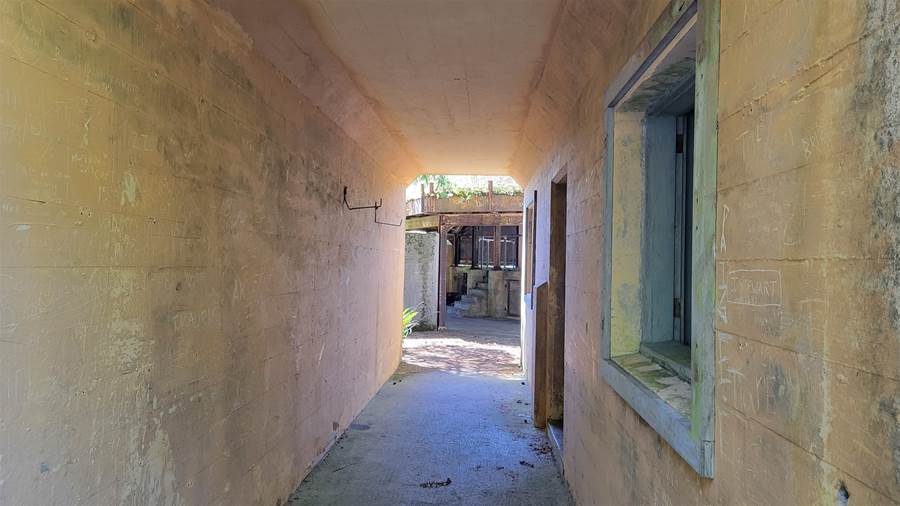
What They Found Under Melting Arctic Snow Shocked Researchers — A Complete WWII Base Frozen in Time
2025/12/03
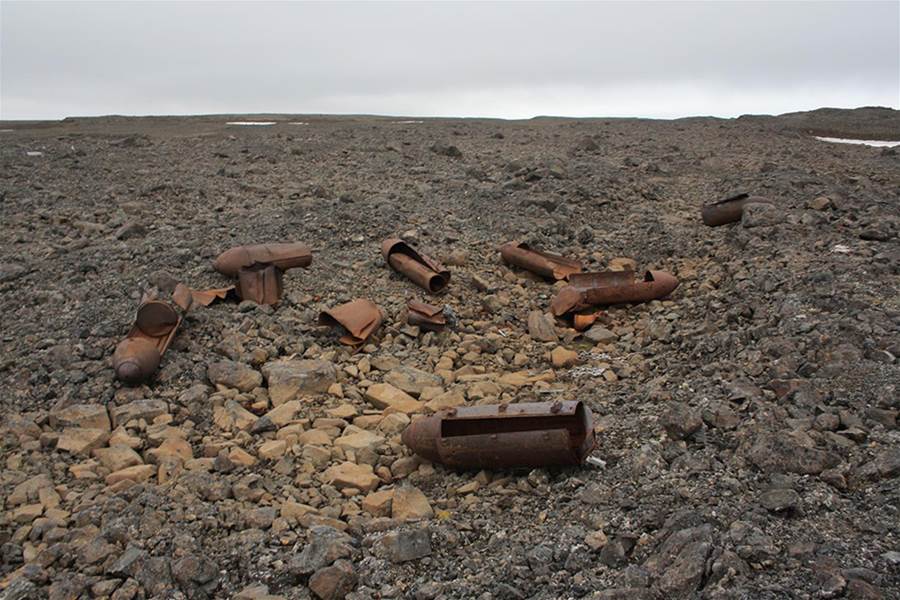
Underwater Graveyard: 13 Newly Mapped WWII Wrecks Reveal the Hidden Scale of War Beneath the Waves
2025/12/03
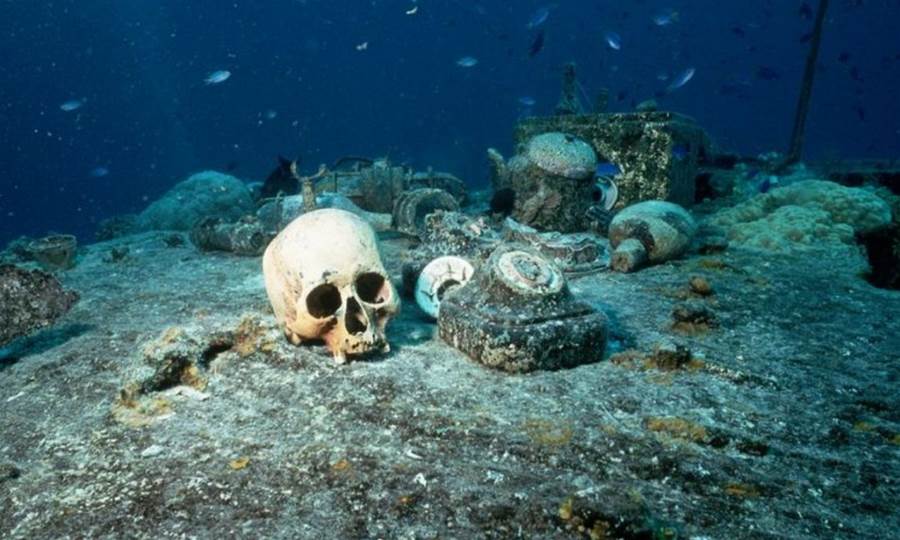
From Depth Charges to Ship Bells: Personal Treasures Pulled from WWII Wrecks Echo Across Time
2025/12/03

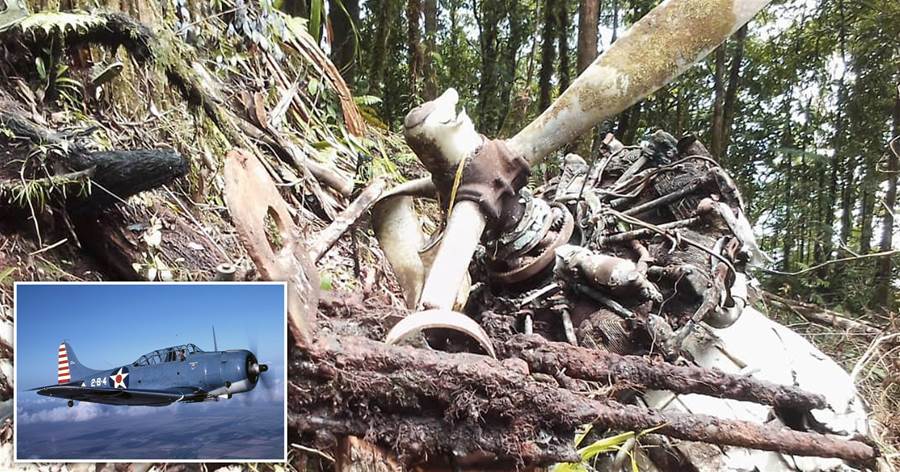
Roots, Rust & Remembrance — The Emotional Recovery of WWII Aircraft Crashed in Remote Jungles
2025/12/03
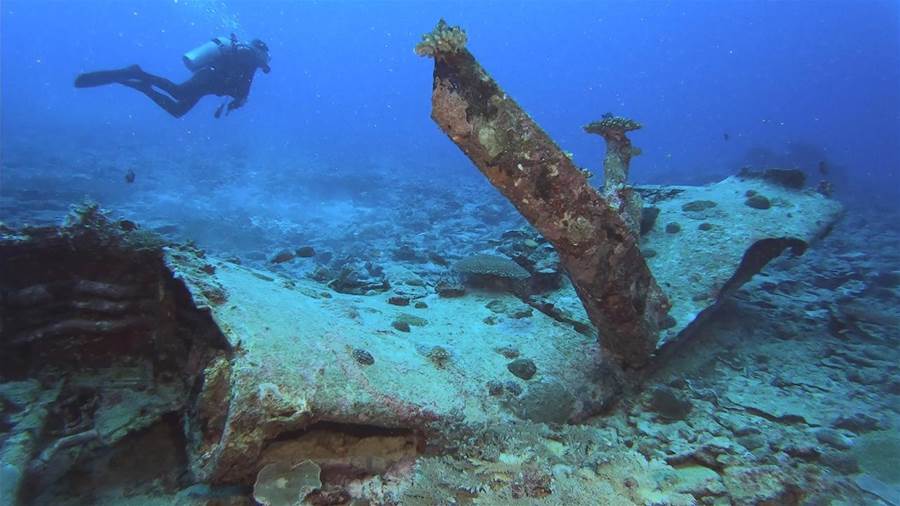
Ocean Tombs: How Lost WWII Transport Ships Tell Forgotten Tales of War and Loss
2025/12/03
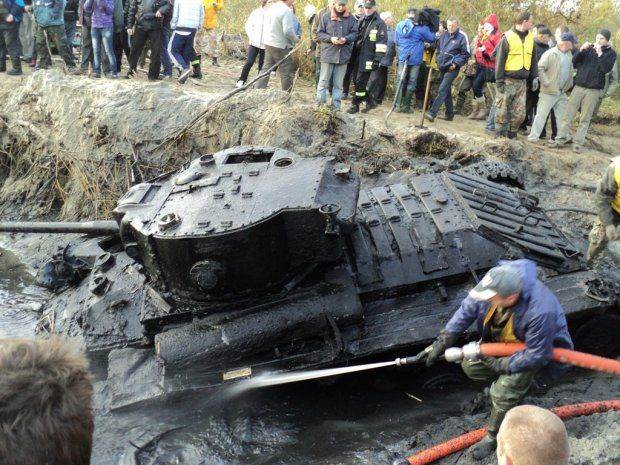
Buried Giant: WWII Tank Resurfaces from Peat After 60+ Years — A Forgotten Eastern Front Relic Reclaimed
2025/12/03