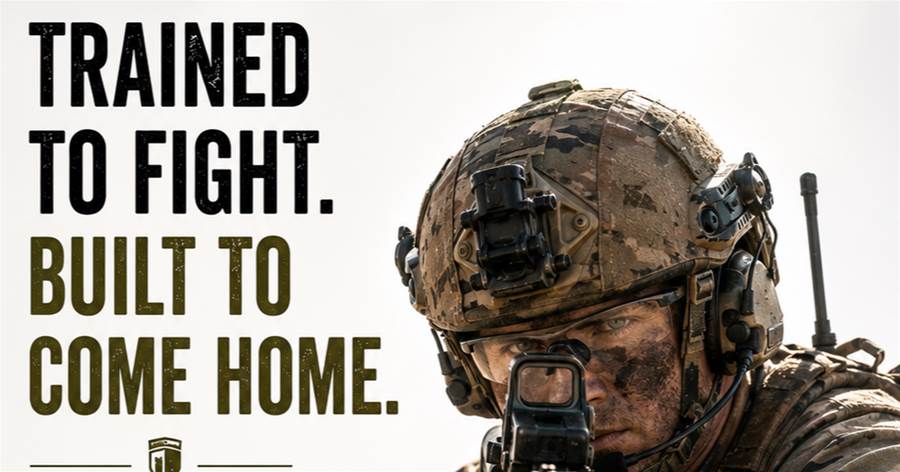
He had a 4.0 GPA, a full scholarship, and an offer from Goldman Sachs. He turned it all down — to become a Marine infantry officer. His father didn't speak to him for six months. Three years later, his father flew to Camp Lejeune for a ceremony he still can't describe without crying.
2026/08/21
Report
ADVERTISEMENT
"Why America's Best and Brightest Keep Choosing the Hardest Path — And What They Find When They Get There"
The economic logic of military service has never been straightforward for people with elite academic options. A Princeton economics graduate who accepts a commission as an infantry officer is, by the standard calculations of human capital investment, making a choice that a spreadsheet would reject.
ADVERTISEMENT
And yet it keeps happening. Not in the numbers that would constitute a trend, but with a consistency that suggests something the spreadsheet is not measuring.
The article is not finished. Click on the next page to continue.
ADVERTISEMENT
The article is not finished. Click on the next page to continue.
Next page
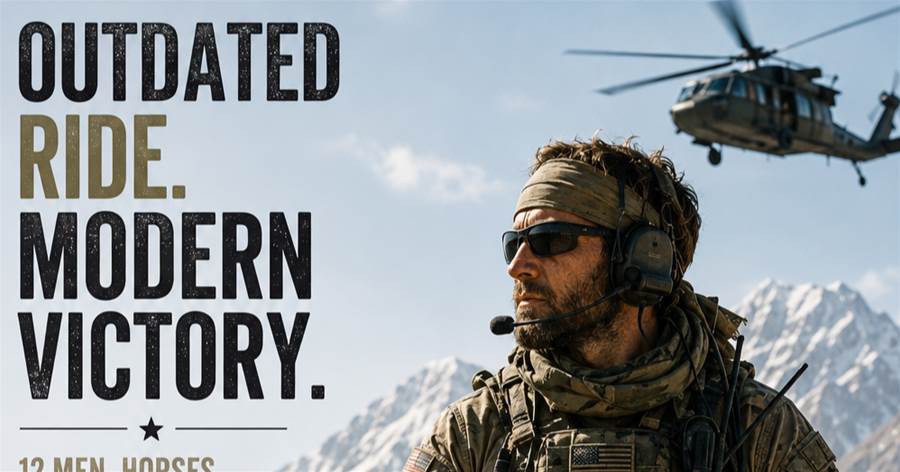
In 2003, a small group of Green Berets rode into battle on horseback — in one of the most technologically advanced wars in American history. They had satellite phones and laser designators. They also had horses, because nothing else worked in that terrain. What happened next belongs in a history book. Most people have never heard of it.
2026/08/21
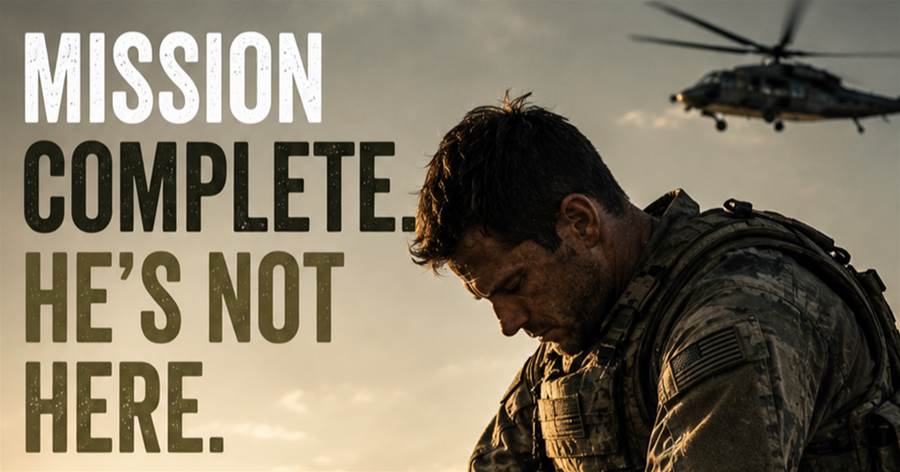
The Army has a field manual for almost everything. There is no field manual for what to do when a mission goes perfectly and people still die. There is no training for the specific grief of surviving a success. This is what that feels like from the inside — from the men who were there.
2026/08/21
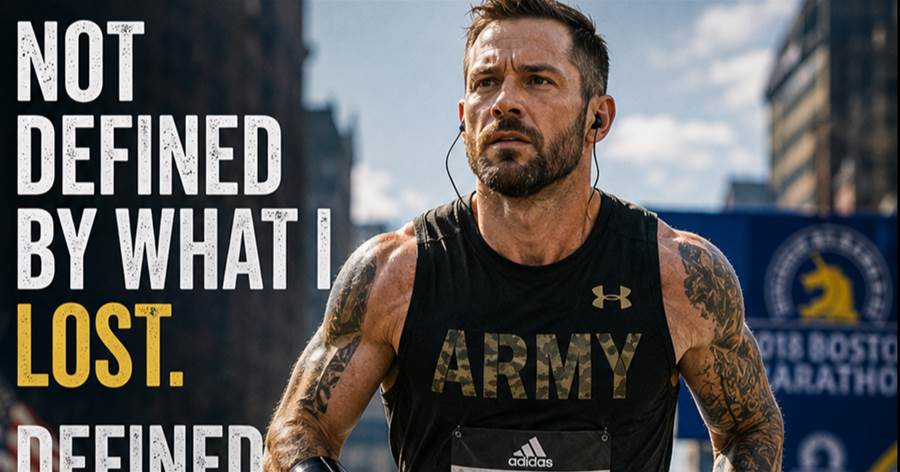
He learned to walk again. Then he learned to run. Then he entered the Boston Marathon. Then he went back to Afghanistan — as a Special Forces soldier. Travis Mills is not the only quadruple amputee to have done something like this. He is just the most public face of a group of veterans redefining what "disabled" means.
2026/08/21
The U.S. military has a unit so secret that its operators have reportedly been told: "If you're captured, we don't know who you are." They carry no ID. Their missions appear on no official roster. They have a name — but even that is classified. Here's what has leaked out, and why it matters.
2026/08/21
Imagine being a prisoner of war for 7 years. Now imagine that during those 7 years, your wife was told you were dead — and she remarried. And then imagine coming home to that. This actually happened to an American airman. What came next is one of the most quietly devastating stories in the history of American POWs.
2026/08/21
Special Forces lost a dog on a mission in Mali in 2021. His name was Kuno. What his handler did next — on his own time, with his own money, flying to three countries — is the kind of loyalty that the military doesn't train for and can't explain. It just produces it sometimes, in the people and the animals they work with.
2026/08/21
In 1942, a group of Filipino and American soldiers faced a 65-mile forced march with no food, no water, and guards who shot anyone who fell. Over 10,000 of them died. The ones who survived did something that military historians are still trying to fully explain. This is what kept them walking.
2026/08/21
Most wars have a front line. This one didn't. The enemy lived among the people, dressed like the people, and disappeared into the people. So how do you fight a war when you can't tell who you're fighting? This is how one unit figured it out — and why their answer still matters today.
2026/08/21
He ate nothing. He moved nothing. He allowed insects to crawl across his face without flinching. For three days, he lay in a hide site the size of a grave, watching a target that didn't know he existed. Then he squeezed the trigger once — and the entire enemy operation collapsed.
2026/08/12
The physical standards were the easy part. The cultural resistance — from within the institution she was trying to join — was something no training program had prepared her for. She passed anyway. And the door she walked through has not closed behind her.
2026/08/12
The film shows 18 hours. The real story starts three months earlier — with a mission that was supposed to be simple, a force that was supposed to be temporary, and a set of decisions made in Washington that put American soldiers in a position that no amount of training could have fully prepared them for.
2026/08/12
The order came directly from above: extract now, leave the bodies. He heard the order. He acknowledged the order. Then he put down the radio and went back for his men. What followed was a confrontation with his command that lasted years — and a decision he has never once regretted.
2026/08/12
They were told to break. Some of them broke, and the ones who did have spent their lives carrying a weight that the ones who didn't will never fully understand. But the story of American POWs is not primarily a story about breaking. It is a story about what the human mind is capable of building inside a cage.
2026/08/12
He was surrounded. His ammunition was almost gone. The enemy was close enough that he could hear them talking. He got on the radio and did something that almost no military training scenario prepares you for: he called in the strike on himself, gave the coordinates of his own position, and told the pilot to drop it anyway.
2026/08/12
The body quits before the person does. Every SEAL instructor knows this. The shivering is uncontrollable, the muscles stop responding, the vision narrows, and the body is, by every clinical measure, done. The person inside the body is not. That gap — between what the body says and what the person decides — is the only thing BUD/S is actually testing.
2026/08/12
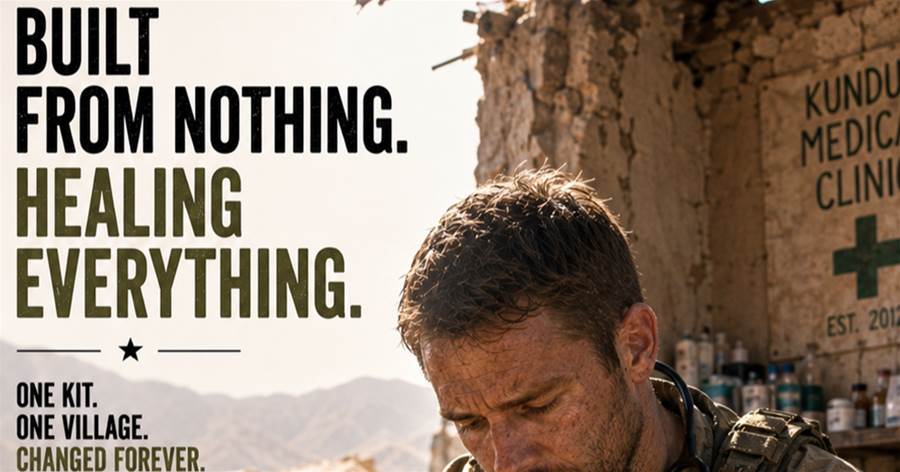
He had a medical kit, a half-destroyed building, and a village of 300 people who hadn't had access to healthcare in three years. He had no hospital equipment, no surgical suite, no pharmacy. He had his training, his kit, and six weeks. What he built in that time is still standing today.
2026/08/12
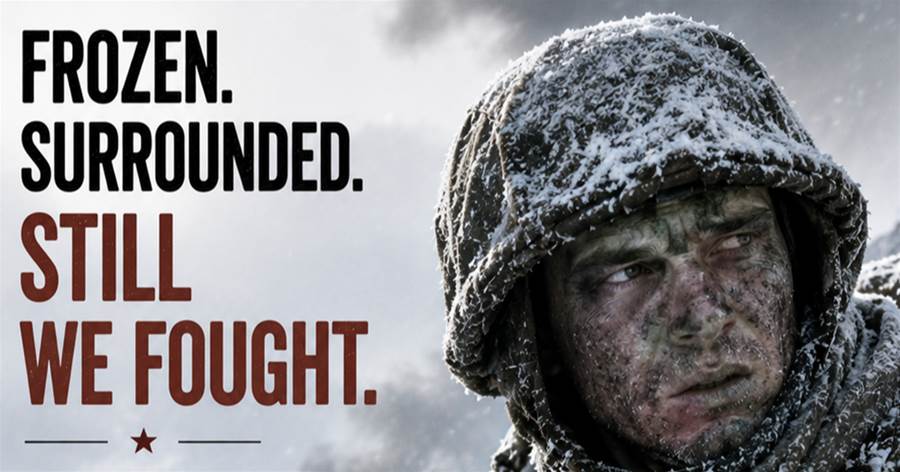
The temperature was minus 35 degrees Fahrenheit. The Marines were surrounded by 120,000 Chinese troops. Their weapons froze. Their blood plasma froze in the IV lines. Their dead froze where they fell. And then, in one of the most extraordinary military achievements in American history, they fought their way out anyway.
2026/08/12
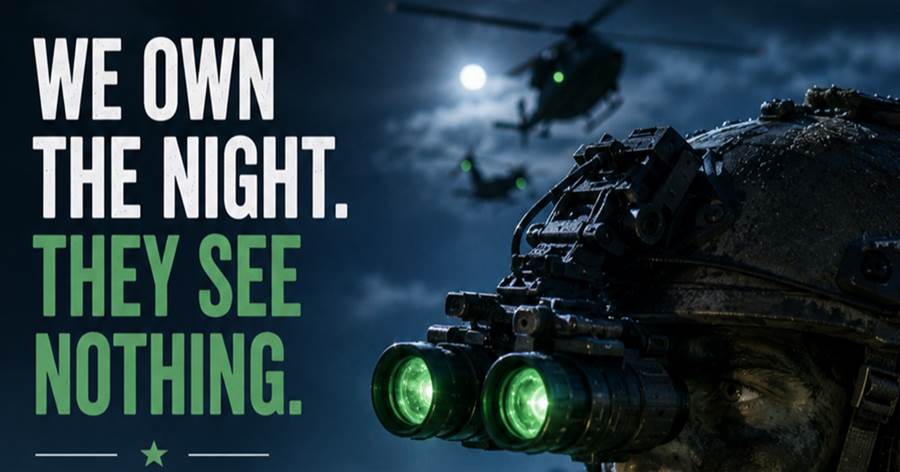
Before night vision, darkness belonged to the enemy. After it, darkness belonged to whoever had the technology — and for two decades, that was exclusively American special operations forces. The tactical advantage it created was so significant that operators describe the first time they put on the goggles as the moment they understood what it meant to be genuinely lethal.
2026/08/12
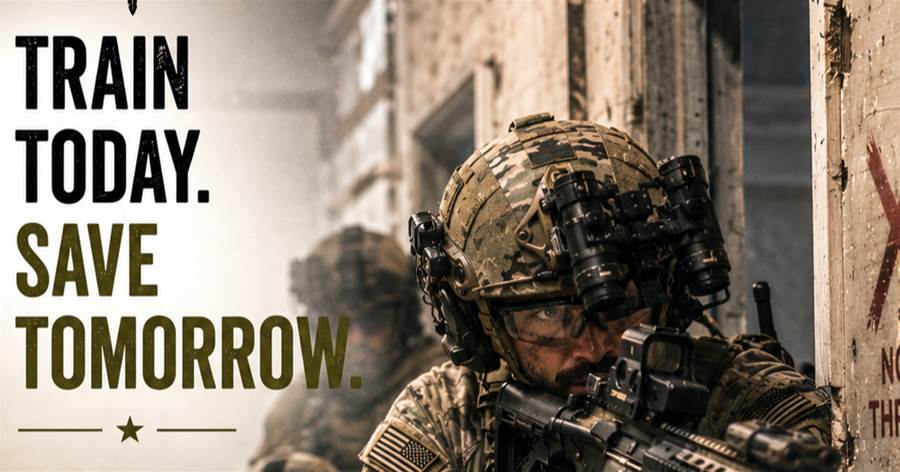
The building is fake. The hostages are role players. The threats are training rounds that sting but don't kill. Everything else — the speed, the violence of action, the split-second decisions about who lives and who doesn't — is completely real. This is where operators are made.
2026/07/27
The human being is not naturally a killer. Every military that has studied the question has found the same thing: the default human response to pointing a weapon at another person and pulling the trigger is resistance, not compliance. Building a soldier means overcoming that resistance. The question nobody asks is what that costs.
2026/07/27