The Zinc-Testosterone Connection Nobody Explains — And How to Fix Your Levels in 30 Days
2026/07/02
Report
ADVERTISEMENT
The Zinc-Testosterone Connection Nobody Explains — And How to Fix Your Levels in 30 Days
Testosterone is synthesized in the Leydig cells of the testes through a multi-step enzymatic process. Zinc is required at multiple points in this process — as a cofactor for the enzymes that convert cholesterol to testosterone and as a structural component of the androgen receptor that allows cells to respond to testosterone once it's produced.
ADVERTISEMENT
The implication is significant: you can have adequate testosterone production but impaired testosterone signaling if zinc is insufficient at the receptor level. This means zinc deficiency creates a double suppression — less testosterone produced, and less cellular response to the testosterone that is produced.
The article is not finished. Click on the next page to continue.
ADVERTISEMENT
The article is not finished. Click on the next page to continue.
Next page
What Happens to Your Body When You Start Eating One Brazil Nut and One Kiwi Every Morning
2026/10/06

The 5 Supplements With the Strongest Evidence for Men Over 40
2026/10/06

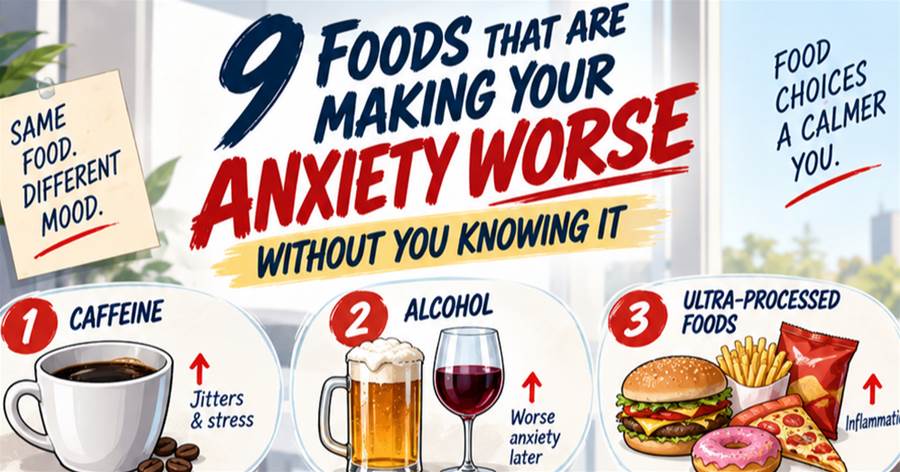
9 Foods That Are Making Your Anxiety Worse — Without You Knowing It
2026/10/06
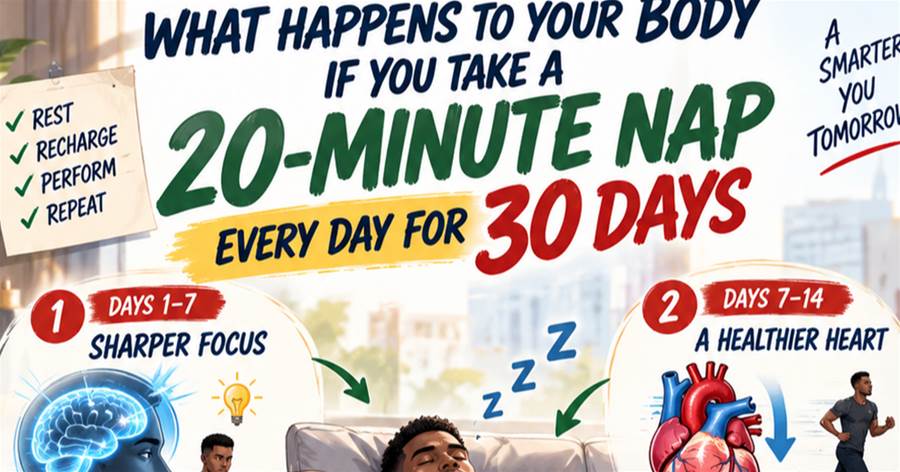
What Happens to Your Body If You Take a 20-Minute Nap Every Day for 30 Days
2026/10/06
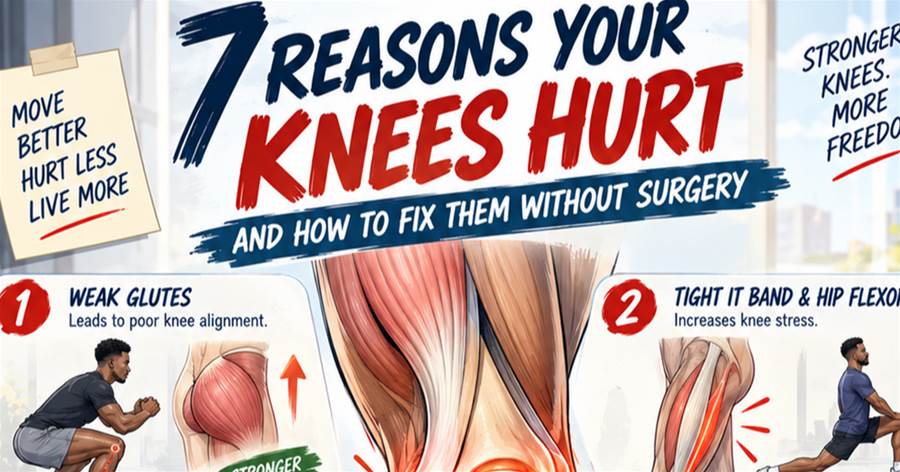
7 Reasons Your Knees Hurt — And How to Fix Them Without Surgery
2026/10/06
8 Things That Happen to Your Body When You Stop Eating Late at Night
2026/10/06
What Happens to Your Body If You Eat Lentils Three Times a Week for 30 Days
2026/10/06
7 Signs Your Immune System Is Overactive — And Attacking Your Own Body
2026/10/06
What Happens to Your Body If You Replace Red Meat With Fish for 30 Days
2026/10/06
9 Signs Your Body Is Aging 10 Years Faster Than It Should
2026/10/06
Eating fat doesn't make you fat. But eating the wrong fats at the wrong times absolutely does. Most men have been avoiding the exact foods that support testosterone, brain function, and muscle building — while eating the ones that silently drive inflammation and fat storage. The difference is specific. Read this. 👇
2026/10/05
You don't need a gym to build real muscle. You need progressive overload, adequate protein, and a surface to push or pull against. These five principles and the home training approach built from them have produced more impressive physiques than most gym memberships ever will. Here's the complete guide. 👇
2026/10/05

If your fat loss has completely stalled despite eating less and training more, the problem might be that you've been eating too little for too long. This sounds counterintuitive. The physiology behind it is real, and the solution — eating more, strategically — produces faster fat loss results than continuing to restrict. Here's how it works. 👇
2026/10/05

The food rotting in your gut is affecting your testosterone, your sleep, your recovery, and your mood — and most men have no idea it's happening. These seven foods destroy gut health faster than almost anything else, and three of them are common "health foods." Check this list. 👇
2026/10/05

Most men spend years in the gym chasing the wrong goal. They train to look different, then wonder why the motivation disappears when results slow down. The men who never stop making progress train for a completely different reason — and the science of motivation explains exactly why their approach works better. 👇
2026/10/05
You've been told that cardio is for fat loss and weights are for muscle. This is one of the most expensive oversimplifications in fitness. The actual relationship between cardio, weights, and body composition is more nuanced — and understanding it correctly saves years of misdirected effort. Here's the complete picture. 👇
2026/10/05
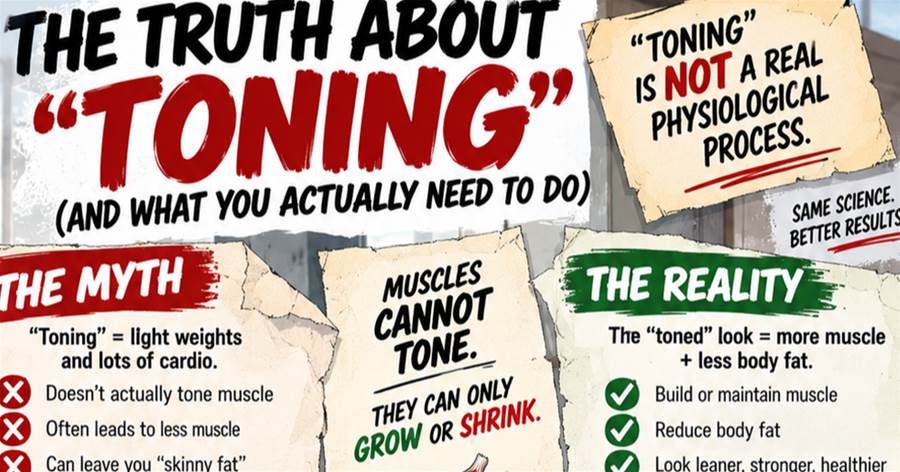
"Toning" is not a real physiological process. Your muscles cannot tone. They can only grow or shrink. And the fitness industry has used this word for decades to sell lighter weights, longer cardio sessions, and programs designed for women to men who needed something completely different. Here's what actually produces the look most men are after. 👇
2026/10/05
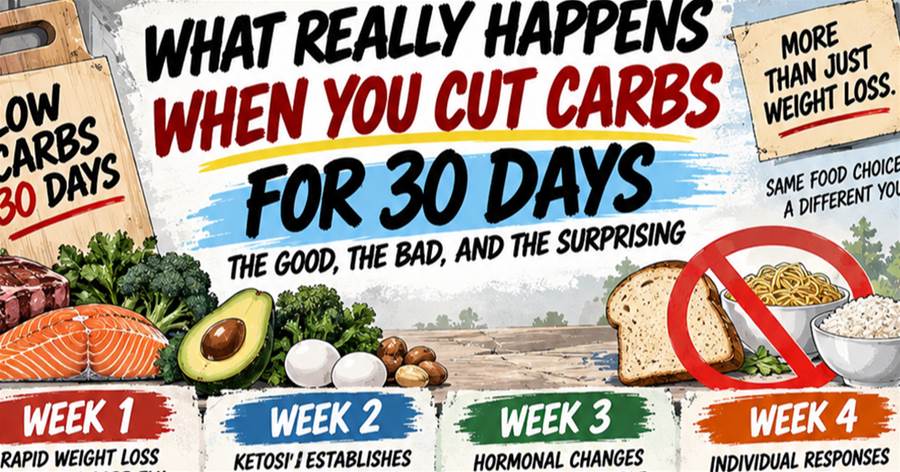
What happens to your body when you stop eating carbs for 30 days? Most people focus on weight loss. But the changes happening to your hormones, brain, energy systems, and gut are far more interesting — and more complicated — than the scale number suggests. Here's the full picture. 👇
2026/10/05
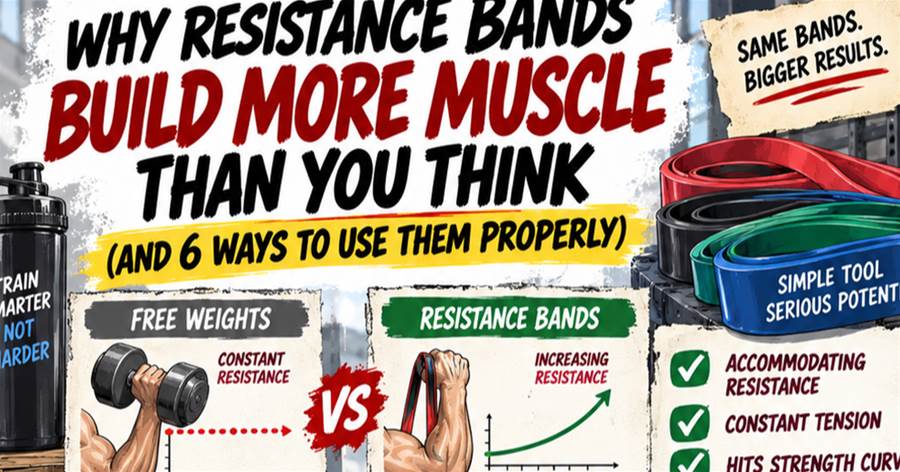
Resistance bands look like they're for beginners. They're not. Elite athletes, physiotherapists, and strength coaches use them specifically because they do something barbells and dumbbells cannot. If you've dismissed bands as too easy, this will change how you see them — and your training results. 👇
2026/10/05
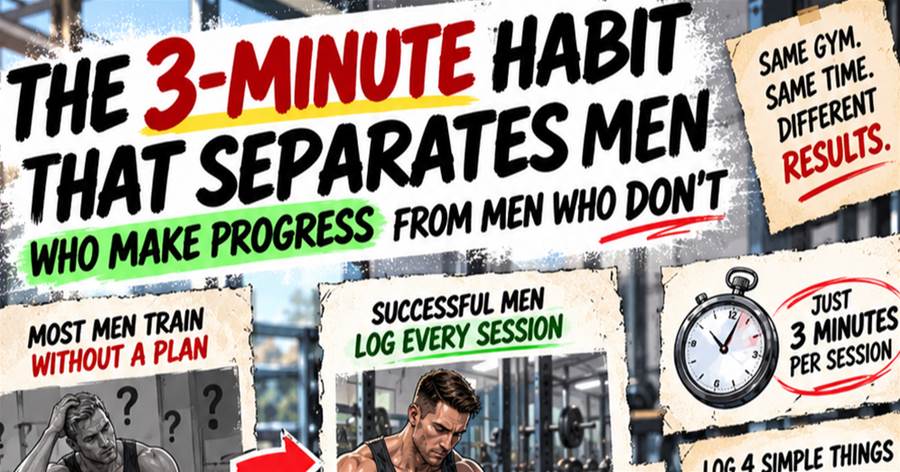
The men who consistently win in the gym don't have better programs, better genetics, or more time. They have one habit that looks small and produces enormous results over time. It takes three minutes. Most men reading this don't do it. Start today. 👇
2026/10/05